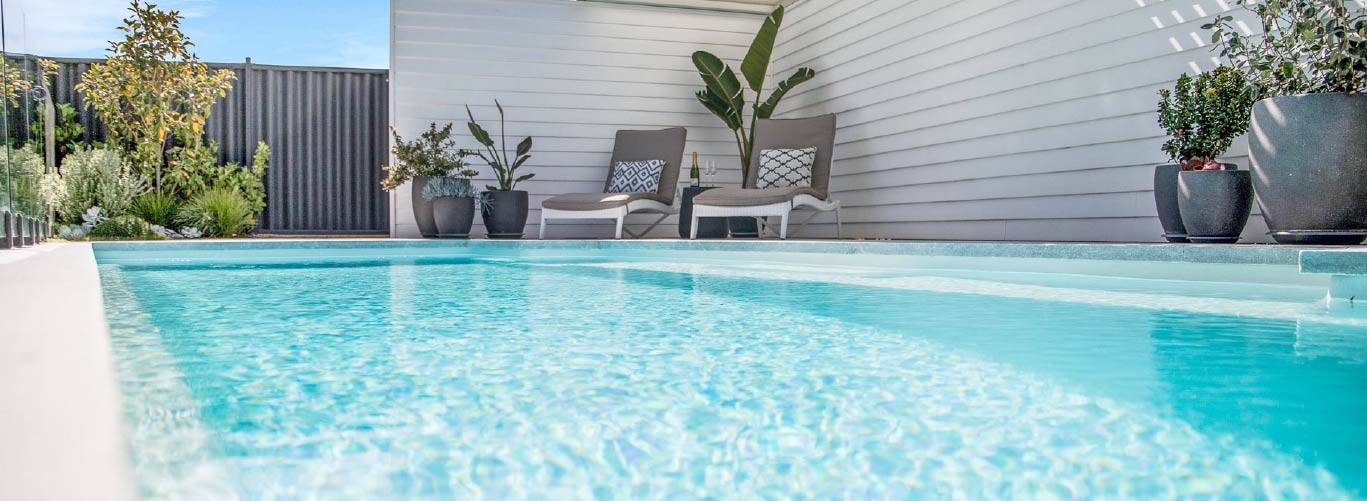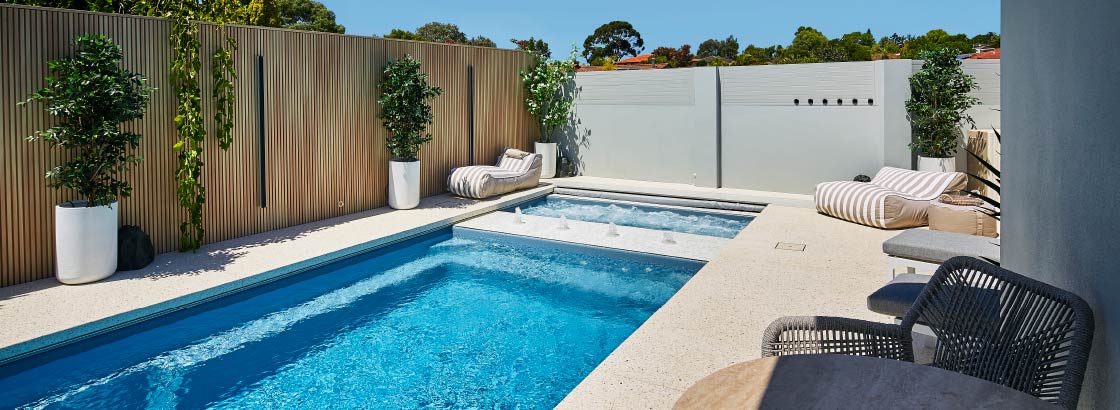
Fibreglass pool installed on a narrow Illawarra block Fibreglass pool installed on a narrow Illawarra block

Can You Still Build a Pool on a Narrow Illawarra Block? Crane Access Explained

One of the most common questions we hear from Illawarra homeowners isn't about pool shapes or finishes — it's whether a pool is even possible on their block. Older suburbs across the region were built long before backyard pools were the norm, which means narrow street frontages, tight side access, and no rear lane are far more common here than in newer estates. The good news is that a proper site assessment can usually find a way through — it just needs to happen before a design is chosen, not after.

Street Width
Assessed

Crane vs
Walk-In

Council Permits
Explained

Narrow-Block
Pool Ranges

Local Illawarra
Know-How

01

Why Site Access Matters Before You Even Choose a Pool

Most homeowners start their pool research by browsing shapes and finishes. But for a lot of Illawarra properties, the real first question is logistical: can the pool shell physically get from the street to the backyard? Fibreglass pools arrive on site as a single pre-formed shell, which means the whole structure needs a clear path in — whether that's over the roof of the house, through a side gate, or along a driveway.

This is different to concrete pools, which are built in place and don't require the same delivery access. It's a trade-off worth understanding early, because it changes how your builder plans the job — and in some cases, which pool range is realistic for your yard. Our Illawarra pool builders factor this into every quote from the outset, not as an afterthought once excavation has started.

02

How Crane Access Is Assessed on Illawarra Properties

Before a design is finalised, a site assessment looks at more than just square metreage. Street width, the position of powerlines, boundary fences, overhanging trees, and the swing radius a crane needs to lift the shell over a house all factor into the plan. On many established Illawarra streets — particularly around older pockets like Bulli, Thirroul, and Fairy Meadow — these measurements determine whether a standard crane truck can be used, or whether a smaller, more manoeuvrable unit is needed instead.

None of this needs to be guesswork on your part. A builder with genuine local experience will walk the site, take the relevant measurements, and tell you honestly what's achievable before you've committed to a design.

Fibreglass pool shell being craned into a backyard in the Illawarra

Standard Crane Truck

Suits most properties with adequate street width and clear overhead access.

Short-Boom Crane

A more compact option for tighter streets or reduced overhead clearance.

Franna / Mobile Crane

Manoeuvrable enough for awkward angles or restricted turning circles.

Walk-In Delivery

An uncommon option, used only when no form of crane access is possible.

03

What Happens If Your Block Has No Crane Access

A small number of Illawarra properties genuinely have very limited crane access — usually due to narrow laneways, low powerlines, or dense tree cover that can't be trimmed. In these cases, alternative approaches exist, though they can add complexity and time to the build. Smaller shell sizes can sometimes be manoeuvred in manually with the right equipment, and in rare cases specialised lifting solutions are used for sites with no practical ground access at all.

The important thing is finding this out at the site assessment stage, not partway through the project. A thorough assessment means your options are laid out honestly from the start, giving you time to adjust the design if needed rather than discovering a problem once you're committed.

04

Council Permits: Closing Your Street for a Pool Delivery

If a crane needs to stand on the road to complete the lift, your local council may require a permit — particularly if the truck will occupy a traffic lane or footpath for an extended period. This typically sits alongside the other council requirements for pool installation, such as development consent and pool safety compliance, and is a standard part of a well-managed project.

Requirements can vary between Wollongong City Council and Shellharbour City Council, so a builder with genuine experience across both areas makes a real difference to how smoothly this stage goes. A thorough pre-build planning process should cover this before delivery day, not on it.

05

Choosing the Right Pool Range for Narrow or Restricted Blocks

If your site assessment identifies tight access, that doesn't necessarily mean your pool has to be small — but it may influence which range works best. Ranges designed for narrower backyards, such as the Amalfi, are built to work well in confined spaces without compromising on layout. For particularly tight blocks, a plunge pool is often the most practical solution, offering genuine use in a smaller footprint.

Working through these options at the design stage — rather than after settling on a shape that won't fit through the access point — saves time and avoids having to change plans partway through.

Narrow-block fibreglass pool range suited to tight Illawarra backyards

Site Access Checklist for Narrow Illawarra Blocks

  • Measure your street width and note any overhanging obstacles before your consultation.
  • Check for powerlines near your property boundary or likely delivery path.
  • Look for low tree cover along the route a crane or truck would need to take.
  • Ask about council permits if a crane will need to park on the road.
  • Confirm which pool ranges suit your specific access point before finalising a design.
06

Common Questions About Site Access

Can I get a pool built if my street is narrow?

In most cases, yes. A site assessment determines whether a standard crane, a smaller crane, or an alternative delivery method suits your street width and access points.

Do I need council permission to close my street for a pool delivery?

If the crane needs to occupy the road or footpath, a permit is often required. This is typically arranged as part of the approvals process managed by your builder.

What if I have no side access to my backyard at all?

Very restricted sites can sometimes still be reached with a smaller crane or a walk-in method. This is assessed on a case-by-case basis during your site visit.

How much space does a pool delivery crane actually need?

It depends on the crane type and pool size, but the assessment considers street width, boundary clearance, overhead powerlines, and the swing radius needed to lift the shell into place.

Narrow streets and restricted access are common across the Illawarra's older suburbs, but they're rarely a reason to rule out a pool altogether. What matters is an honest site assessment early on, understanding which delivery method applies to your property, and choosing a pool range that's realistic for the space available.

Not sure if your block has the access for a pool?

Talk to our Illawarra team about a site assessment before you commit to a design.

Get a Free Quote
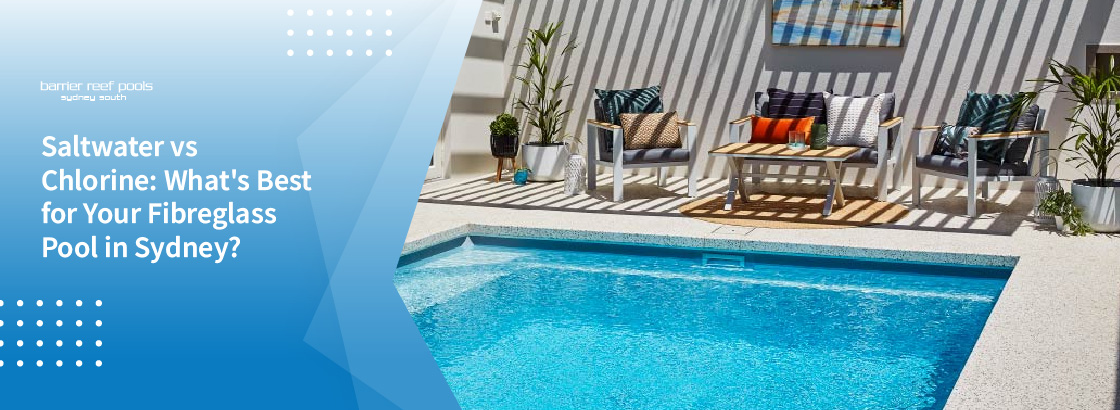
Saltwater vs Chlorine fibreglass pool Sydney Saltwater vs Chlorine fibreglass pool Sydney

Saltwater vs Chlorine: What's Best for Your Fibreglass Pool in Sydney?

One of the most common questions Sydney homeowners ask before getting a pool installed is: saltwater or chlorine? Both systems keep your water clean and safe to swim in, but they work differently, cost differently, and feel different to swim in. If you're comparing the two for a fibreglass pool, this guide breaks it all down so you can make the right call for your backyard and budget.

Water
Quality

Running
Costs

Maintenance
Effort

Swim
Comfort

Pool Shell
Impact

01

How Each System Actually Works

Before comparing the two, it helps to understand what each system is actually doing. A traditional chlorine pool requires you to manually add chlorine — either in granular, liquid, or tablet form — on a regular basis to sanitise the water and keep bacteria at bay.

A saltwater pool, on the other hand, uses a salt chlorinator. You add pool-grade salt to the water, and an electrolytic cell converts that salt into chlorine automatically. The key thing to understand is that a saltwater pool still uses chlorine — it just generates it continuously at low levels rather than relying on manual top-ups. This is one of the most common misconceptions that our guide on top fibreglass pool myths addresses directly.

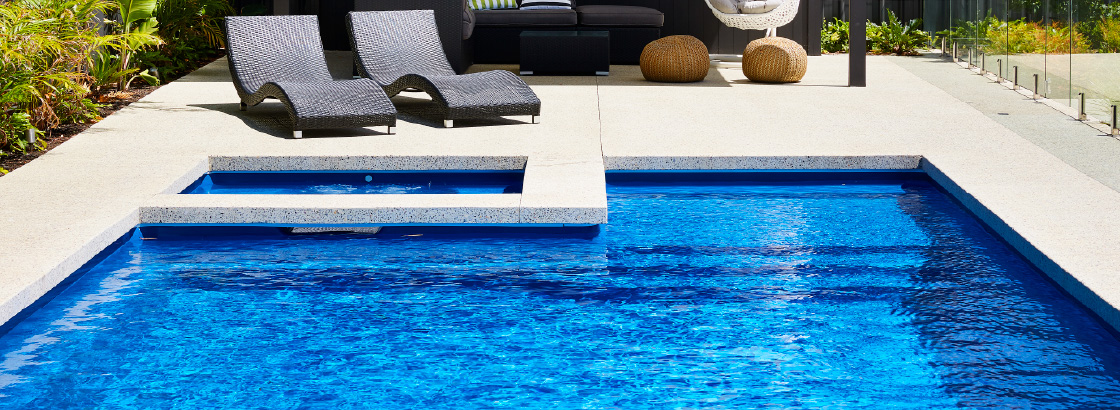
Fibreglass pool with saltwater system Sydney
02

Swim Comfort and Water Feel

This is often the deciding factor for families. Saltwater pools are widely regarded as gentler on the skin, eyes, and hair. The lower, more consistent chlorine levels mean less irritation — particularly for children or anyone with sensitive skin. The water tends to feel softer and silkier, which many swimmers prefer.

Traditional chlorine pools, when not perfectly balanced, can cause red eyes, dry skin, and that familiar "pool smell" — which is actually caused by chloramines building up, not chlorine itself. With careful management, a chlorine pool can feel just as comfortable, but it requires more attention to get right consistently.

03

Upfront and Running Costs

Saltwater systems carry a higher upfront cost — a quality salt chlorinator typically adds $1,000–$2,500 to your pool installation. However, ongoing chemical costs are significantly lower, since you're mainly topping up salt and occasionally adjusting pH rather than constantly buying chlorine.

Traditional chlorine pools have lower installation costs, but the ongoing spend on chemicals can add up over time — particularly in Sydney's warmer months when pools are used heavily and chlorine burns off faster. Over a five to ten year period, many pool owners find saltwater systems save money overall. Before deciding, it's worth reading through what to know before building a pool in Sydney to budget accurately from the start.

Saltwater System
  • Softer, gentler water — better for skin and eyes
  • Automatic chlorine generation — less hands-on upkeep
  • Lower ongoing chemical costs
  • Consistent chlorine levels day to day
  • Less odour and eye irritation for swimmers
  • Higher upfront cost for the chlorinator unit
  • Cell requires cleaning and eventual replacement
Traditional Chlorine
  • Lower initial installation cost
  • Widely available chemicals and simple to source
  • Full manual control over sanitiser levels
  • No chlorinator equipment to maintain
  • Higher ongoing chemical costs over time
  • Requires more frequent testing and dosing
  • Can cause irritation if not carefully balanced
Fibreglass pool maintenance chlorine vs saltwater
04

Maintenance Requirements

Saltwater pools are often described as lower maintenance, and that's largely true — but they're not maintenance-free. You still need to test your water regularly, adjust pH and alkalinity, and clean the salt cell every few months to prevent calcium build-up. The chlorinator also requires periodic servicing and will eventually need the cell replaced, typically every 3–7 years depending on usage.

Traditional chlorine pools demand more frequent attention. You'll need to test the water several times a week during summer, add chlorine as needed, and shock the pool periodically. For busy households, this hands-on commitment can become burdensome. The smooth, non-porous surface of a fibreglass pool makes both systems easier to manage than concrete, since algae has far less surface to cling to.

Test Weekly

Both systems require regular water testing. Saltwater pools need less frequent chemical additions but still need pH monitoring.

Clean the Cell

Saltwater chlorinators need the electrolytic cell cleaned every 3 months to prevent scale and maintain efficiency.

Summer Top-Ups

Sydney's heat burns through chlorine fast. Both systems need closer attention during peak summer swimming season.

Skim and Brush

Regardless of sanitiser system, regular skimming and brushing keeps both the water and the shell in top condition.

05

Impact on Your Fibreglass Shell

This is where fibreglass pool owners have a genuine advantage over concrete. Fibreglass shells are non-porous, which means both saltwater and chlorine systems work efficiently without the water constantly trying to penetrate the surface. With concrete, high salt levels can cause long-term surface degradation — this is much less of a concern with a quality fibreglass shell.

That said, it's important to keep your water balanced regardless of which system you choose. Highly acidic water — whether from poor chlorine management or low pH in a saltwater pool — can affect the gel coat over time. Working with experienced pool builders in Sydney ensures your system is set up correctly from day one, with the right equipment sized to your pool volume.

Key Maintenance Tips for Both Systems

  • Test pH twice a week in summer — both systems drift out of range faster in warm weather.
  • Keep salt levels topped up after heavy rain, which dilutes your saltwater pool's salt concentration.
  • Shock your pool monthly regardless of system — this clears chloramines and keeps water crystal clear.
  • Clean your chlorinator cell every 3 months with a diluted acid solution to prevent calcium scaling.
  • Store chemicals safely — chlorine granules and tablets must be kept dry, cool, and away from children.
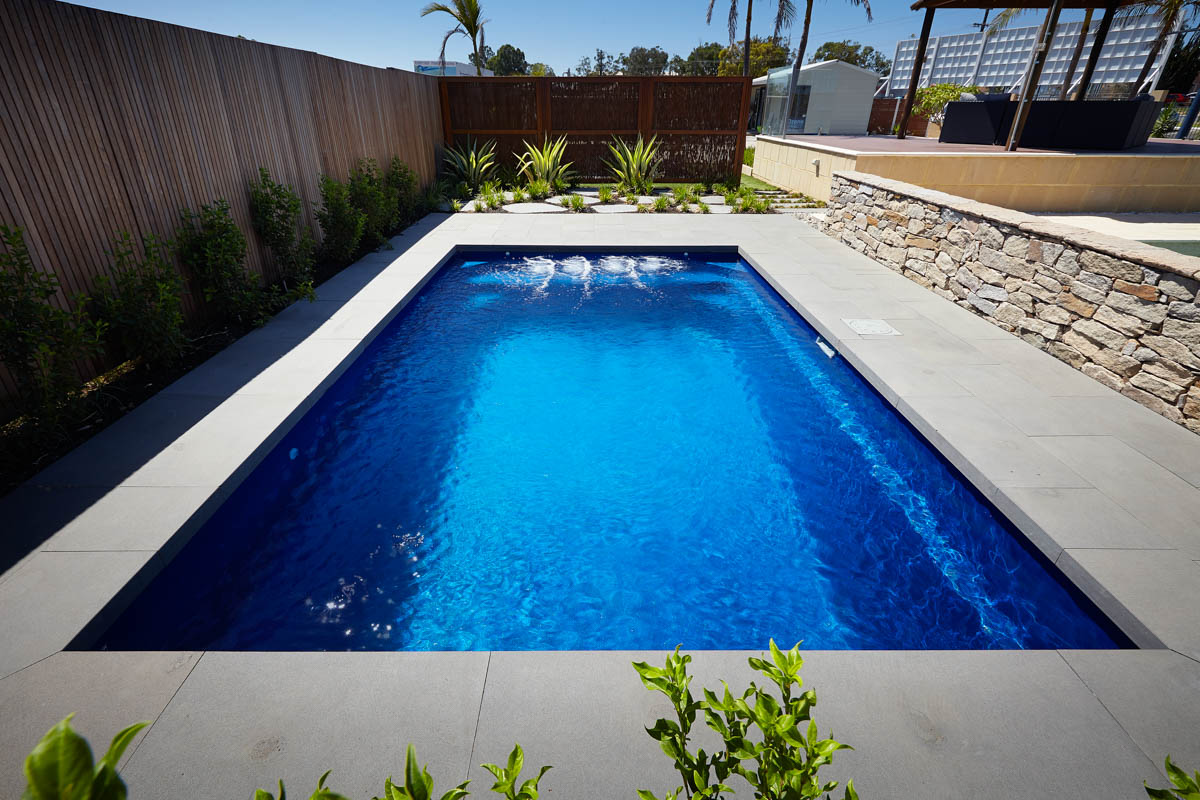
Beautiful fibreglass pool Hampton Grey Sydney
06

Which Is Better for Sydney's Climate?

Sydney's warm summers and mild winters mean pools get used for more of the year than in cooler parts of Australia. This is actually one reason saltwater systems are so popular here — the consistent, automated chlorine output handles heavy summer use without requiring daily manual dosing. You can head off on holiday for a week without coming home to a green pool.

Saltwater systems also tend to perform better year-round because the chlorinator adjusts output based on usage patterns. During winter, when the pool is used less frequently, the system backs off automatically, reducing running costs. This year-round usability is one of the reasons fibreglass pools are perfect for Sydney's winter — and a saltwater system only adds to that low-effort appeal.

07

So, Which Should You Choose?

For most Sydney families installing a new fibreglass pool, a saltwater chlorinator is the recommended choice. The gentler water feel, lower day-to-day maintenance, and cost savings over time make it the more practical option — especially when paired with the smooth, easy-clean surface of a fibreglass shell.

Traditional chlorine is still a perfectly valid option, particularly if upfront budget is a constraint or you prefer direct manual control over your water chemistry. Some pool owners also prefer chlorine for smaller plunge pools or pools used seasonally rather than year-round.

Ultimately, both systems can deliver clean, safe, and enjoyable swimming water when properly managed. The best choice is the one that suits your household's lifestyle. If you're still weighing up your options, explore our range of reasons Sydney homeowners are choosing fibreglass pools — or get in touch with our team for a personalised recommendation.

Quick Decision Guide

  • Choose saltwater if — you want lower maintenance, softer water, and plan to swim frequently year-round.
  • Choose chlorine if — upfront cost is a priority or you prefer hands-on control of your water chemistry.
  • Both work well — with a fibreglass shell, since the non-porous surface is compatible with either system.
  • Get professional advice — your Sydney pool builder can recommend the right chlorinator size and setup for your specific pool.

Whichever system you choose, the most important thing is consistent water testing and maintenance. A well-managed pool — saltwater or chlorine — will stay sparkling, safe, and inviting all year round. For more guidance on planning your pool from the ground up, read our top tips for planning your dream swimming pool in Sydney.

Ready to build your fibreglass pool?

Talk to our Sydney team about the best sanitiser system for your new pool.

Get a Free Quote

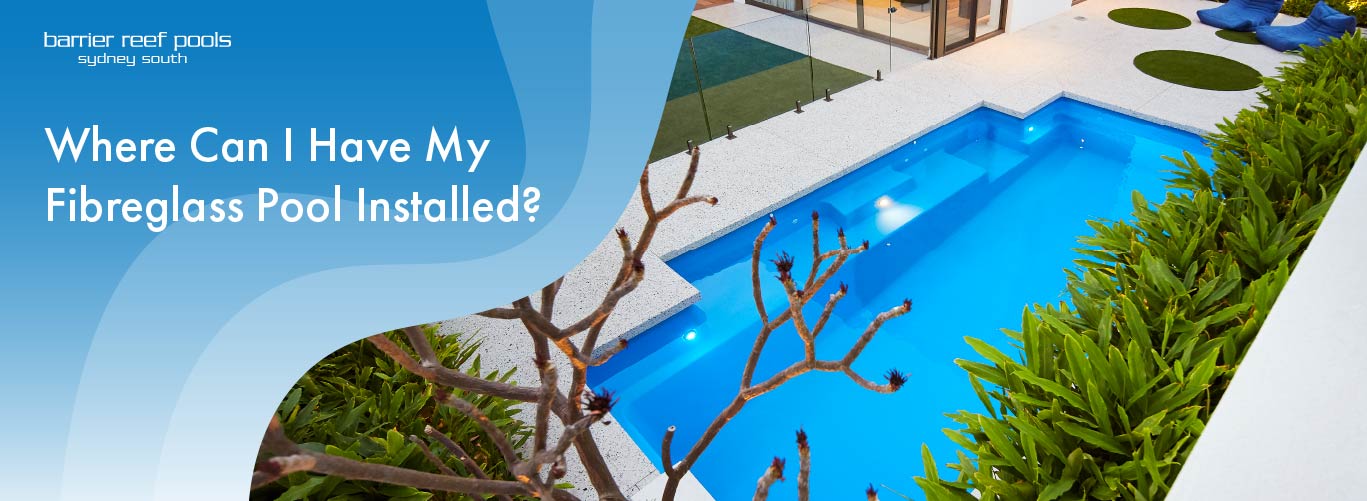
Where Can I Have My Fibreglass Pool Installed?

Swimming pools can be a fantastic addition to your home, providing a focal point for relaxation and leisure activities, as well as adding value to your property. Fibreglass pools can be installed in a variety of locations, depending on the size and shape of your desired pool as well as the suitability of your property. Here are some common installation options to consider:

where-can-i-have-my-fibreglass-pool-installed-banner

In-Ground Installation

The most popular and traditional option for fibreglass pool installation is in-ground. This involves excavating a hole or trench in the ground and then inserting the pre-made fibreglass pool shell. In-ground installations provide a sleek and seamless look, as the pool sits flush with the ground and can be easily incorporated into your backyard design. This option is also great for larger pools, as there are no limitations on size or shape.

Above-Ground Installation

For those who prefer a more temporary solution or have limited space in their yard, above-ground installation may be a more suitable option. This involves constructing a frame around the perimeter of the pool and then placing the fibreglass pool shell on top. While not as aesthetically pleasing as in-ground installations, above-ground pools still provide all the benefits of a swimming pool without the need for excavation or significant landscaping. They are also easier to install and can be relocated if needed.

Indoor Installation

Fibreglass pools offer the added advantage of being suitable for indoor installations, providing a year-round swimming option irrespective of the weather conditions. This is particularly beneficial for individuals residing in colder climates or desiring privacy while swimming. Moreover, indoor installations allow for greater control over pool temperature and chemical levels, as the pool remains shielded from external elements such as sunlight and debris. This ensures a more comfortable and pristine swimming experience.

Rooftop Installation

Believe it or not, fibreglass pools can even be installed on rooftops! This option is becoming more popular in urban areas where space is limited. However, rooftop installations require careful planning and reinforcement of the structure to ensure the weight of the pool is properly supported. It is also important to consider any potential water leakage and proper drainage systems. While rooftop installations may be more challenging, they offer a unique and impressive addition to your property.

where-can-i-have-my-fibreglass-pool-installed-blogimage1

Choosing the Right Location

When deciding on the location for your fibreglass pool installation, there are a few important factors to consider:

Accessibility

When selecting a location, it is crucial to choose one that is easily accessible for both the installation process and ongoing maintenance. This involves ensuring that there is ample space to transport equipment and materials to the site, as well as providing sufficient room for pool cleaning and maintenance activities.

Sun Exposure

Consider the amount of sun exposure your chosen location receives throughout the day. While some sun exposure is necessary for keeping the pool water warm, too much can lead to increased evaporation and chemical use. It’s also important to ensure there is enough shade nearby for those looking to take a break from the sun.

Landscaping

The surrounding landscaping of your pool can significantly impact its appearance and functionality. Avoid installing your pool near trees or plants with invasive roots that may cause damage to the pool shell. It’s also essential to consider how the pool will fit into your existing landscape and if any additional landscaping will be needed.

Space Availability

An often overlooked, but immensely important factor when choosing the location for your fibreglass pool installation is the availability of space. It’s crucial to measure the dimensions of your desired pool and compare them with the available space in your yard. Remember to take into account the surrounding area, which should provide ample space for pool furnishings, a safety fence, and any desired features such as a decking or patio area. It’s also a sensible idea to leave some extra room for future upgrades or modifications.

where-can-i-have-my-fibreglass-pool-installed-blogimage2

Ground Conditions

Another crucial factor to take into account when selecting a site is the ground conditions. Fibreglass pools offer adaptability and can be installed in various soil types. However, it is important to note that if the ground is excessively rocky or if the water table is too high, it may result in additional installation costs due to the need for extra measures to ensure proper installation and structural integrity. Therefore, it is advisable to thoroughly assess the ground conditions and talk to a professional before proceeding with the installation of a fibreglass pool.

Future Property Plans

If you’re planning to make future changes to your property, such as adding extensions or undertaking landscaping projects, it’s important to consider how these modifications might impact the location of your pool. For instance, if you’re considering expanding your living space with an extension, you’ll want to ensure that the new structure doesn’t encroach upon the area where your pool is currently situated. Similarly, if you’re planning to enhance your outdoor space with landscaping projects, you’ll need to carefully evaluate how these changes might affect the accessibility and aesthetics of your pool area.

Council Compliance

Before making any final decisions on the location of your fibreglass pool installation, it’s essential to check with your local council for any regulations or permits that may be required. These could include guidelines for fencing, distance from property boundaries, and safety requirements. It’s always better to ensure compliance before starting the installation process to avoid costly delays or penalties in the future.

Final Thoughts

The installation of a fibreglass pool is a considerable investment that requires careful planning and careful decision-making. Whether you opt for an in-ground, above-ground, indoor, or even a rooftop installation, it’s crucial to consider factors such as accessibility, sun exposure, landscaping, available space, ground conditions, and future property plans. Furthermore, remain cognisant of any council regulations or permits required in your local area to prevent any future complications. By taking all these factors into account, you’ll be well on your way to installing a fibreglass pool that adds value to your property and provides endless enjoyment.